Ambergris Caye Tours: The Complete Guide to Activities from San Pedro
Ambergris Caye sits beside one of the most unusual marine environments in the Caribbean. From the docks of San Pedro, boats head out every single day — snorkeling trips over coral gardens, dive runs along reef walls, fishing charters chasing permit and tarpon, longer expeditions to distant atolls floating far offshore. Some outings last barely two hours. Others turn into full-day journeys across the Belize Barrier Reef, sometimes farther than people expect when they first look at a map.
This guide moves through the most common tours leaving Ambergris Caye. What they actually involve, how long they usually take, and what kind of traveler tends to enjoy them most. Because honestly… there are a lot of choices once you start looking.
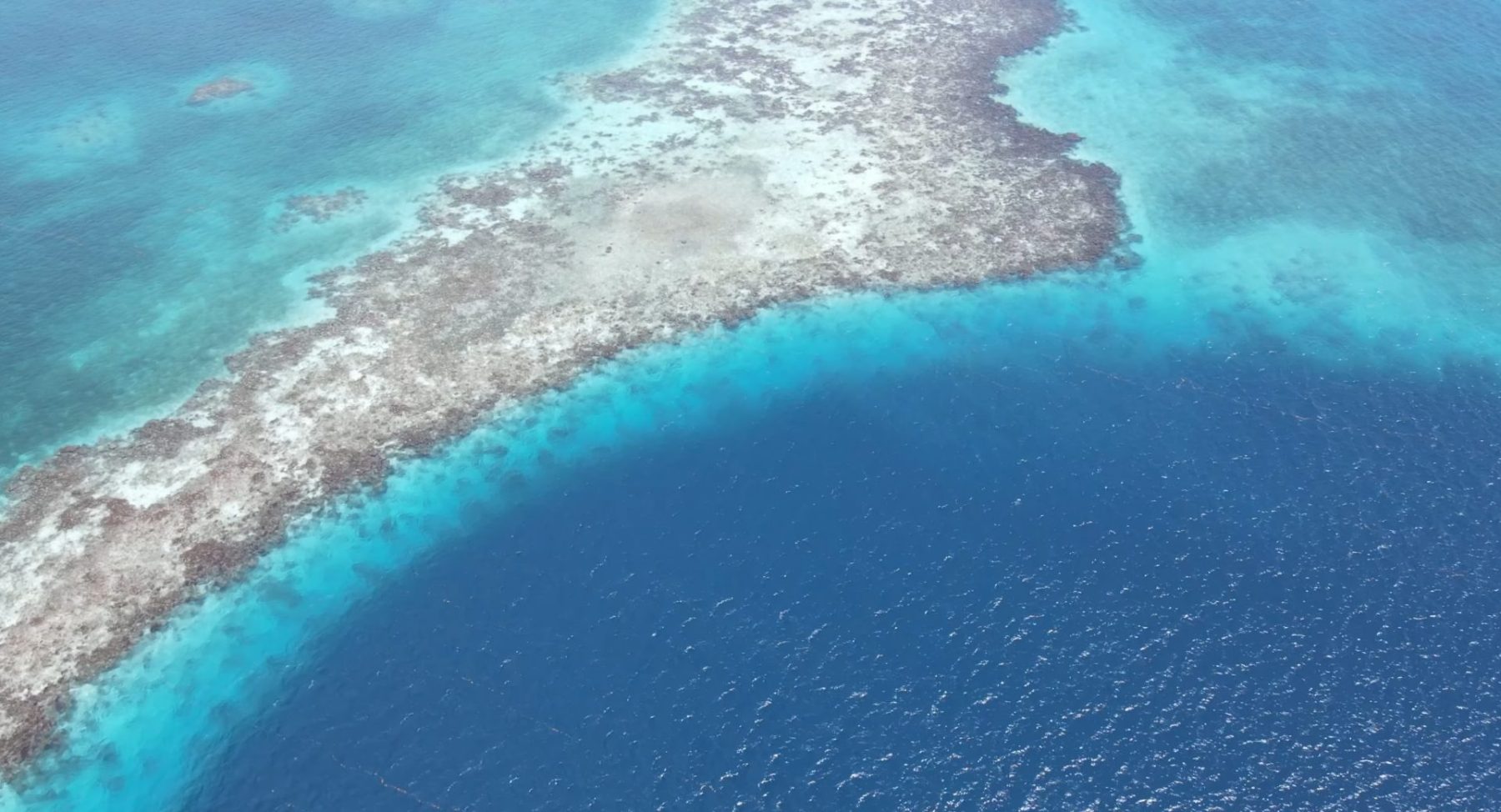
For many visitors the island experience begins with the reef. That long coral system running parallel to Belize’s coastline shapes nearly everything about life on Ambergris Caye. It affects the water color, the marine wildlife, even the way mornings unfold in San Pedro.
Walk down to the docks early and you’ll see it. Dive guides stacking tanks beside wooden piers. Snorkel fins clattering softly across fiberglass decks. Coffee in paper cups, engines warming, radios crackling with quick conversations between boats heading in different directions.
By mid-afternoon the harbor looks completely different. Boats drift back toward town loaded with tired travelers. Wet hair, sunburned shoulders, salt drying on backpacks. People talking loudly about sea turtles or sharks they saw twenty minutes earlier. Someone usually holding a waterproof camera like it contains treasure.
What surprises first-time visitors is how many tours leave from such a small town. Within easy reach of San Pedro you’ll find protected marine reserves, shallow reef systems, fishing flats stretching into the lagoon, and some dive sites that have become legendary in underwater circles.
And then there are the atolls further offshore. Entire coral islands rising out of deep Caribbean water. Places like Lighthouse Reef and Turneffe Atoll. When boats head there the coastline disappears behind you for hours.
San Pedro Harbor
Belize Barrier Reef — minutes from town
2 hours to full day
Snorkeling, diving, fishing
Understanding the Tour Landscape of Ambergris Caye
Tour operators in San Pedro usually group their trips into a few loose categories. Some focus on the nearby reef where snorkeling runs take only a couple of hours. Others push further offshore toward deeper reef systems where coral formations drop sharply into darker water.
Fishing charters follow their own logic entirely. Guides chase fish moving through reef cuts, tidal channels, or the outer edge of the barrier reef where currents shift constantly.
Because of all this variety, travelers visiting Ambergris Caye sometimes hit a strange moment during planning. There are too many options. Which tours actually matter if someone only has a few days on the island?
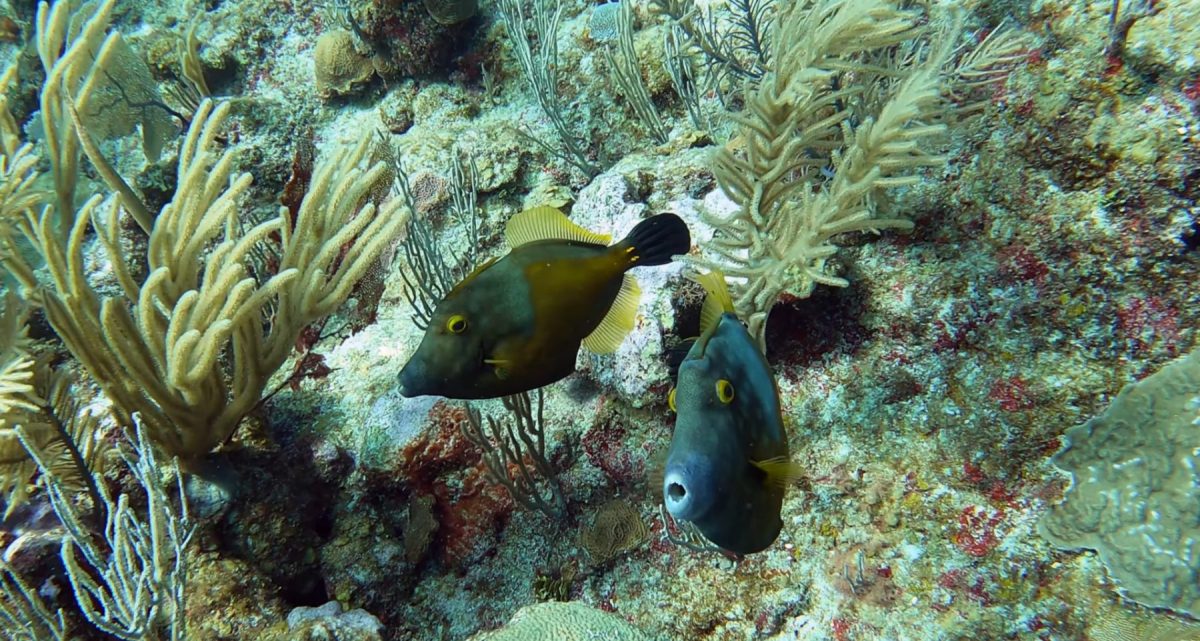
I think the answer depends less on ticking famous sites and more on how someone wants to experience the reef environment. Some people want quiet snorkeling above coral gardens. Others want deep dives along reef walls where visibility stretches into dark blue water. Some travelers barely care about reefs at all and head straight for fishing boats at sunrise.
Different moods. Same ocean.
How Most Visitors Choose Tours
Most people begin with something simple — a half-day snorkeling trip close to San Pedro. It’s an easy way to understand the reef and get comfortable floating above coral formations.
After that the plans start expanding. Maybe a deeper dive site. Maybe a longer trip to an offshore atoll. Sometimes the famous Blue Hole enters the conversation after the first couple of reef days.
The pattern usually ends up looking something like this:
- Start with a short snorkeling trip near San Pedro
- Explore deeper reef sites or guided dive locations
- Consider a full-day atoll or Blue Hole expedition
Snorkeling Tours from San Pedro
Snorkeling easily ranks as the most common activity around Ambergris Caye. The reef lies extremely close to shore, which means boats can reach healthy coral formations in less than twenty minutes.
For travelers who have never snorkeled before — and there are plenty — this accessibility changes everything. No long boat rides. No complex training. Just a short run across turquoise water and suddenly you’re floating above coral heads full of tropical fish.
The Caribbean water here stays warm most of the year, usually somewhere around 26 to 29 degrees Celsius. Visibility shifts with weather and tides but often stretches twenty meters or more. On calm days the reef looks almost unreal through the surface.
You float there for a minute and realize the entire seafloor is alive.
Hol Chan Marine Reserve
The best-known snorkeling location near Ambergris Caye is Hol Chan Marine Reserve. The site sits a short distance south of San Pedro and protects a narrow channel cut through the reef wall.
The name “Hol Chan” comes from the Maya language. Roughly translated it means “Little Channel,” which describes the natural break where ocean currents move between the lagoon and the open Caribbean Sea.
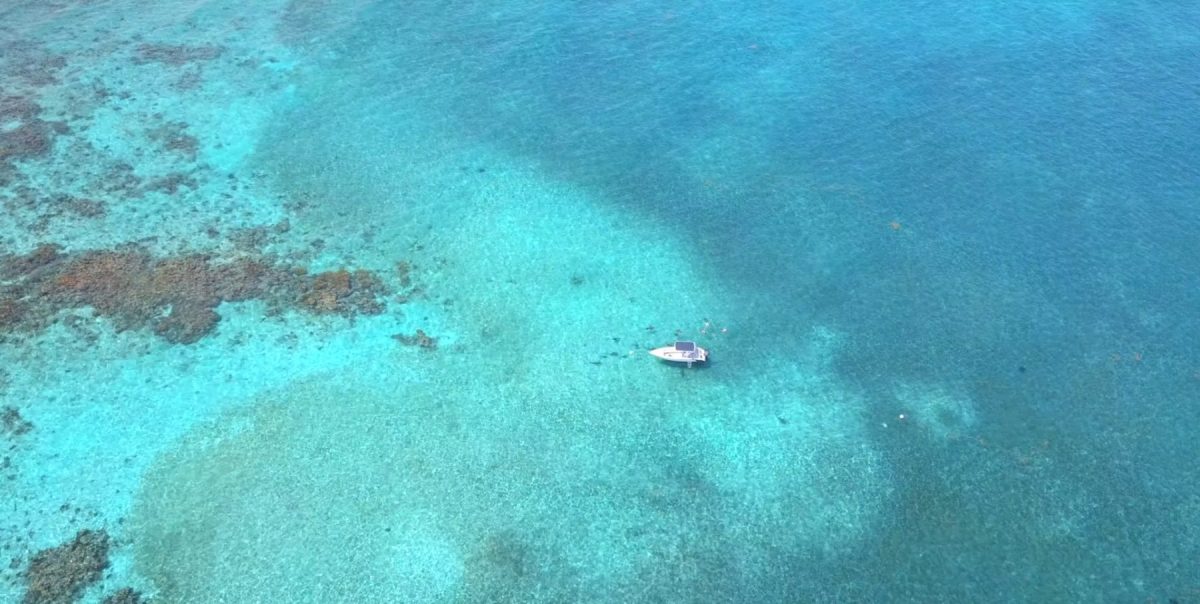
That current flow brings nutrients, and with it a ridiculous amount of marine life.
Snorkeling through the channel feels almost like drifting through an underwater highway. Schools of fish move slowly with the current while coral formations line both sides of the reef. Guides usually lead small groups through the passage so everyone stays together and avoids bumping into coral structures.
- Parrotfish grazing across coral heads
- Large schools of snapper and grunts
- Sea turtles feeding near seagrass beds
- Occasional reef sharks cruising deeper water
Because Hol Chan is both protected and easy to reach from San Pedro, it became one of the most visited marine reserves in Belize. For many travelers this spot becomes their first real introduction to the Belize Barrier Reef ecosystem.
Shark Ray Alley
Just beyond Hol Chan lies another stop most snorkeling boats include in their route — Shark Ray Alley.
The name sounds intimidating. The reality feels more curious than scary.
Shallow water here attracts large numbers of nurse sharks and southern stingrays. Years ago fishermen cleaned their catch in the area, leaving scraps in the water. Marine animals figured that out quickly and began gathering nearby.
Today snorkelers enter the water while sharks glide slowly beneath them. Rays slide across the sandy bottom. The animals seem completely uninterested in humans, which takes a minute for first-time visitors to process.
— Local snorkeling guide, San Pedro
Mexico Rocks Reef
North of San Pedro sits another snorkeling site called Mexico Rocks. The environment here feels different from Hol Chan.
Instead of a reef channel cutting through coral walls, Mexico Rocks consists of scattered coral heads rising from shallow water. From above the formations almost look like an underwater maze.
Fish gather around these coral patches. Snorkelers float slowly between them while guides point out species hiding inside the reef structures.
Because the water depth remains fairly shallow, Mexico Rocks tends to attract beginner snorkelers and families traveling with children. Calm conditions make it easy to stay in the water for longer periods without fighting currents.
Morning departures usually bring the best snorkeling conditions around Ambergris Caye. Winds stay lighter early in the day, which keeps the surface calmer and improves underwater visibility.
- Bring reef-safe sunscreen
- Wear a rash guard if you plan long swims
- Follow guide instructions near coral formations
Why Snorkeling Defines Ambergris Caye
For a lot of visitors snorkeling becomes the moment Ambergris Caye finally clicks as a destination. The island itself is charming, but small. Streets, beach bars, docks. Pleasant… but modest.
Then you get in the water.
Suddenly the real scale of the place appears. Coral systems stretching far beyond what you can see from the boat. Tropical fish moving in loose schools. Rays gliding across sand channels between reef structures.
Floating quietly above that ecosystem does something strange to your sense of distance and time. Minutes pass without anyone speaking. Everyone just drifts there watching the reef below.
Maybe that’s why so many travelers end up returning to Ambergris Caye. The island stays the same size every visit. The reef never does.
Diving Tours from Ambergris Caye
Snorkeling is where most people start around Ambergris Caye. Mask, fins, a splash of confidence, and suddenly the reef is right there under you. Pretty easy. But scuba… scuba is where things open up. The reef isn’t just a colorful surface garden anymore. It drops. Walls slope into darker water, channels cut through coral ridges, currents slide through gaps like slow rivers you can’t see until you feel them.
San Pedro ended up becoming the main dive hub in Belize almost by accident — geography did most of the work. The Belize Barrier Reef runs incredibly close to the island. Boats leave the dock, idle past a few fishing skiffs, then ten minutes later you’re already gearing up over a dive site. No long rides, no endless horizon. It’s one of those rare places where a serious reef system sits right on the doorstep of a town.
That proximity changes the rhythm of diving here. Operators can run multiple trips per day without exhausting guests or burning fuel for hours. Morning dives, surface interval, maybe lunch back on land… then another trip out in the afternoon. The reef is just sitting there waiting.
5–10 minutes by boat
10–30 meters
20–30 meters
26–29°C year-round
Local Reef Dive Sites
Most dives from San Pedro stick to nearby sections of the barrier reef. And honestly, that’s not a compromise. These local sites are stacked with coral structures that look almost architectural once you’re down there. Slopes of coral heads. Spur-and-groove formations. Little valleys where fish drift back and forth like commuters.
You drop in and the reef sort of unfolds beneath you in layers. The shallow sections glow in sunlight — bright coral, clouds of damselfish, parrotfish chewing loudly on coral skeleton. Then you drift deeper and things change. Bigger fish start appearing. Barracuda hovering motionless. Groupers watching you the way old dogs watch strangers.
I remember one dive guide describing the reef as “organized chaos.” It sounds cheesy but it’s accurate. Thousands of fish moving in different directions, yet somehow the reef never feels frantic. Just busy.
- Large coral formations along reef slopes
- Schools of tropical reef fish
- Occasional sightings of sea turtles
- Caribbean reef sharks in deeper water
Dive operators often run two-tank or sometimes three-tank trips across these sites. The boat moves between different reef sections during the day, which keeps things interesting. One dive might focus on coral slopes, the next on a deeper wall where the reef drops away into open blue water.
And sometimes the best moments aren’t dramatic at all. A turtle drifting slowly past. A stingray lifting off the sand like a ghost. Quiet little encounters you barely notice until later that evening when you’re replaying the dive in your head.
Night Diving Along the Reef
Night diving around Ambergris Caye feels like entering a different ecosystem entirely. Same reef. Same coral. Yet the moment the sun disappears things change — dramatically.
Daytime fish retreat into crevices. Parrotfish wedge themselves into coral pockets and fall into a strange half-sleep. Meanwhile nocturnal hunters begin moving. Slowly at first. Then everywhere.
Descending at night is an odd sensation the first time. Your dive light cuts through darkness in a narrow beam. Everything outside that beam disappears into black water. Coral heads suddenly appear as you swim closer, then fade again behind you.
Octopus glide across the reef searching for crabs. Spiny lobsters climb out of hiding places. Certain corals extend delicate feeding tentacles that remain invisible during daylight dives.
Night dives usually take place on shallow reef sites close to San Pedro where navigation remains simple. Dive lights reveal marine life that most daytime visitors never see.
- Octopus hunting along coral formations
- Lobsters emerging from reef crevices
- Bioluminescent plankton in the water column
That plankton thing — if you’ve never seen it — is wild. Turn off your dive light for a second and wave your hand through the water. Tiny flashes of blue light explode around your fingers. It feels like stirring a galaxy.
The first time someone shows you that trick underwater, you probably forget everything else about the dive.
The Great Blue Hole Expedition
Then there’s the big one. The dive everyone talks about whether they’ve done it or not — the Great Blue Hole.
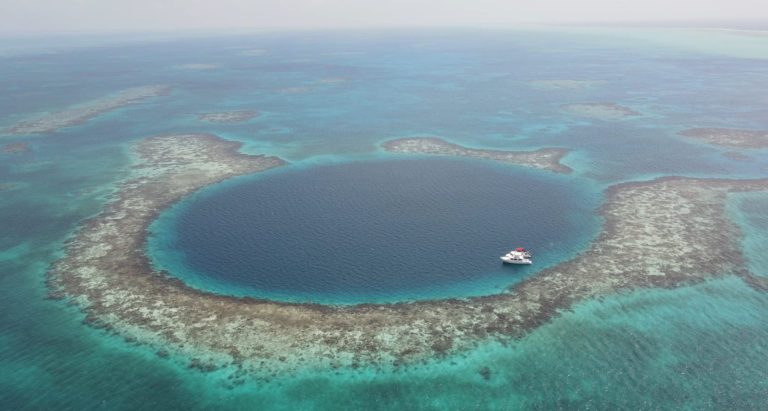
It sits far offshore at Lighthouse Reef Atoll, roughly seventy kilometers from Ambergris Caye. Boats leave San Pedro before sunrise for these trips. Long ride. Coffee in plastic cups. People half awake while the horizon slowly brightens.
From the air the Blue Hole looks unreal — a perfect dark circle punched into bright turquoise water. Almost like someone dropped ink into the Caribbean and it never mixed.
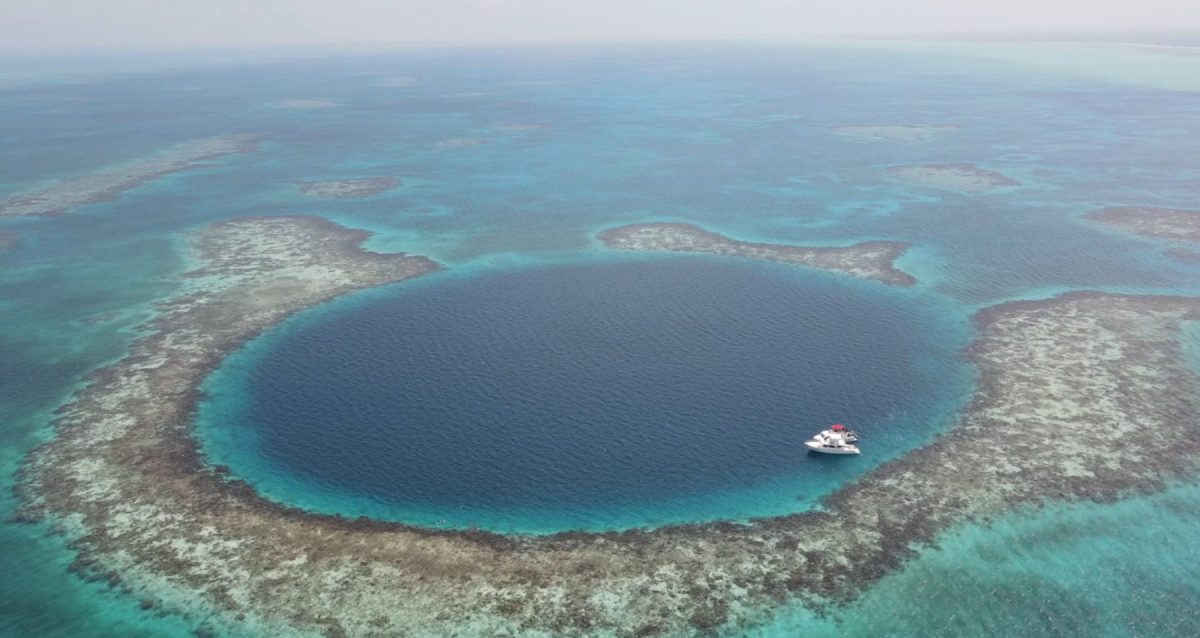
But diving it is different from what many people imagine.
You descend through deep blue water rather than coral. Down around thirty to forty meters massive stalactites appear, hanging from the ceiling of what used to be a limestone cave system. Thousands of years ago this entire area stood above sea level. Rainwater carved caves into the rock. Eventually the ocean flooded everything.
Now divers swim through a drowned cave chamber beneath the sea.
Despite its fame, the Blue Hole isn’t packed with marine life. Coral barely grows inside the sinkhole. The attraction is geological — enormous stalactites, deep blue water, and the strange experience of descending into what feels like an underwater cavern.
Some divers love it. Others finish the dive and shrug a little. It’s one of those places where expectations matter. You’re diving history and geology more than reef ecology.
Still… hovering beside stalactites the size of tree trunks while the ocean fades into darkness below you — that sticks with people.
Lighthouse Reef Atoll
Ironically, the best reef diving on Blue Hole trips often happens outside the hole itself. The surrounding Lighthouse Reef Atoll forms a large circular reef system, and its outer walls are spectacular.
These reefs feel healthier than many coastal sections of the barrier reef. Fewer boats. Less fishing pressure. Coral structures grow thick and layered, almost chaotic in places.
Divers often encounter larger pelagic fish here too. Tunas passing along the reef edge. Reef sharks circling the drop-offs. Schools of jacks flashing silver in open water.
| Dive Location | Key Feature | Typical Experience |
|---|---|---|
| Great Blue Hole | Underwater sinkhole | Deep geological dive |
| Lighthouse Reef Wall | Coral reef drop-offs | High marine biodiversity |
| Half Moon Caye | Island reef system | Shallow reef exploration |
Half Moon Caye, one of the small islands inside the atoll, sometimes becomes a lunch stop on these excursions. Frigatebirds nesting in trees, white sand beaches, the occasional hermit crab dragging its shell across the path like it owns the place.
After two deep dives the island feels strangely peaceful.
Turneffe Atoll Diving
Another offshore destination drawing divers from Ambergris Caye is Turneffe Atoll. Bigger than Lighthouse Reef. More complex too. A wide ring of coral reefs surrounds a lagoon filled with mangroves, channels, and hidden sand flats.
Because it sits farther from the mainland, the ecosystem remains relatively intact. Less runoff, fewer coastal disturbances. You can feel the difference underwater.
Wall dives dominate the experience here. Coral slopes descend sharply into deep blue water, and currents sweep along the reef edge bringing nutrients — and predators.
Eagle rays glide through the water like enormous birds. Reef sharks cruise past without much interest in divers. Barracuda sometimes hang in midwater in loose groups, silver and still.
Why Divers Travel to Turneffe
Turneffe offers a quieter, more remote diving environment compared with reef sites near San Pedro. Coral formations grow larger, currents feel stronger, and marine life often includes bigger species moving through deeper water.
Ask experienced divers around Belize where they prefer to dive and Turneffe comes up again and again.
Not every trip goes there — the distance means fewer daily departures — but the divers who make the journey tend to talk about it for the rest of the week.
Choosing the Right Dive Experience
Planning dive trips from Ambergris Caye usually comes down to a few practical decisions.
Distance is the obvious one. Local reef dives require barely any travel time. Offshore atolls involve longer boat rides and earlier mornings. Some people love the adventure of heading far out into open water. Others prefer quick reef dives followed by lunch in San Pedro.
Experience level matters too. Certain sites involve deeper descents or stronger currents. Dive operators normally explain those details clearly, but it’s worth thinking about what kind of dive you actually want.
And then there’s the simple question: coral reef or geological spectacle.
The Blue Hole attracts attention because of its shape and reputation. Coral reef dives — the local ones especially — often deliver more marine life.
- Local reef dive sites near San Pedro
- Shallow coral formations
- Short boat rides
- Blue Hole expedition dives
- Turneffe Atoll wall dives
- Stronger currents and deeper water
Either way, once you descend beneath the surface around Ambergris Caye the entire region reveals itself differently. From above the Caribbean looks calm, almost empty. A flat horizon, warm water, a few boats drifting in the sun.
Below that surface sits an ecosystem layered with life, movement, and quiet drama that most visitors never see.
And for divers, that hidden world is the real reason people keep coming back to Belize again and again.
Fishing Charters from Ambergris Caye
Before Ambergris Caye turned into a magnet for divers and reef photographers, people came here for something simpler — fish. Not in a polished “sport fishing destination” kind of way. Just boats leaving the dock before sunrise, men watching the color of the water, reading currents the way farmers read clouds. The waters around the island, especially along the Belize Barrier Reef, have always been busy with life: snapper sliding through reef cuts, grouper lurking near coral ledges, barracuda drifting in that half-lazy predator way.
Many of the fishing charters leaving San Pedro today follow routes that local fishermen have used for generations. Same reef channels. Same shallow lagoons. Some captains still point out landmarks that don’t exist on maps — a patch of darker water, a current line, a stretch of reef they learned from their fathers. Tourists climb aboard with cameras and sunscreen. The guides watch the tide.
Fishing trips around Ambergris Caye generally split into three loose categories. Reef fishing stays close to the barrier reef where coral structures attract smaller predator fish. Offshore charters run further out into the Caribbean chasing fast pelagic species moving along the reef edge. Then there’s the quiet world of the flats — shallow water, barely a ripple — where fly fishermen stalk bonefish and permit in water sometimes no deeper than your knees.
Snapper, grouper, barracuda
Reef fishing, fly fishing, deep sea
Half day or full day charters
San Pedro docks
Reef Fishing Trips
Reef fishing is the easiest introduction to fishing around Ambergris Caye. Boats barely leave sight of the island before reaching productive reef channels where fish gather along coral formations. Some of these spots sit only minutes from the San Pedro docks.
The guides usually anchor where currents funnel baitfish through natural passages in the reef. Drop a line down there and something tends to show up quickly. Snapper. Grouper. Jacks. Occasionally barracuda if one feels aggressive that morning.
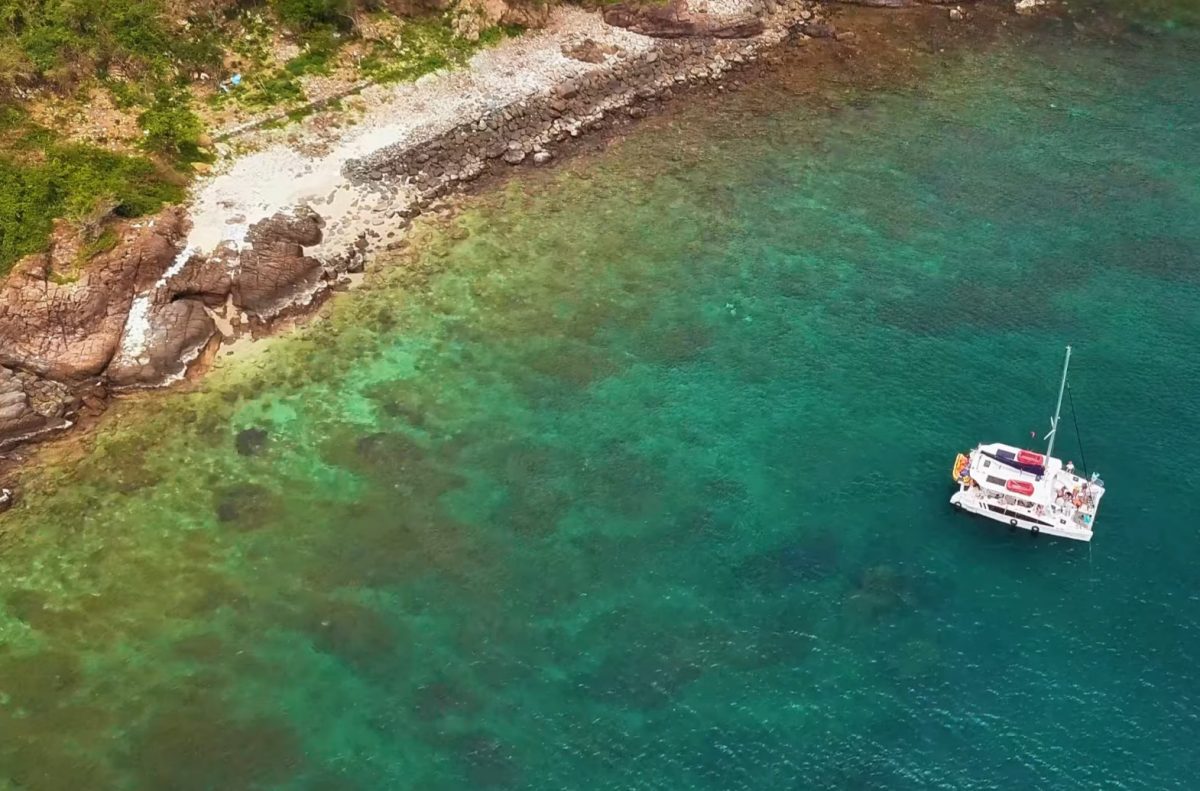
Honestly the fishing itself is only half the reason people enjoy these trips. A lot of charters mix the experience with snorkeling stops or beach breaks on tiny cayes scattered along the reef. Catch a few fish in the morning… then suddenly the guide is grilling snapper over charcoal while everyone sits barefoot in the sand. It feels improvised even when it isn’t.
- Short boat rides from San Pedro
- High chances of catching reef species
- Often combined with snorkeling stops
Fly Fishing the Belize Flats
Then there are the flats. Completely different mood. No loud motors, no heavy tackle clanking around the boat. Just shallow water stretching across pale sand and seagrass beds beyond the reef.
Fly fishing guides pole small skiffs slowly across these lagoons while standing on raised platforms. From up there they scan the surface for movement — a faint shadow, a tail flicking above the water, maybe a sudden flash of silver when a bonefish changes direction.
For anglers chasing the famous Caribbean “grand slam” — bonefish, tarpon, permit — Belize’s flats feel like a testing ground. The fish are quick, suspicious, and sometimes frustratingly selective about flies. One bad cast and the whole school disappears into the glare.
— Fly fishing guide, Ambergris Caye
Deep Sea Fishing Beyond the Reef
Cross the barrier reef and the ocean changes personality fast. The calm turquoise lagoon disappears behind you and the Caribbean opens up — darker water, rolling swells, wind that feels a little more serious.
Deep sea fishing charters run out here chasing larger migratory fish moving along the outer reef system. Tuna sometimes pass through in tight schools. Mahi-mahi streak across the surface in flashes of neon blue and yellow. Wahoo… those things hit like torpedoes.
Because the boats travel farther offshore, these trips usually last longer than reef fishing excursions. Weather also plays a role. Some mornings the sea looks glassy and welcoming. Other days captains glance at the horizon, shake their heads, and quietly recommend staying inside the reef.
Early departures help. The sea tends to stay calmer in the morning before trade winds start building across the Caribbean.
- Bring sun protection
- Wear non-slip footwear
- Expect changing sea conditions outside the reef
Sailing and Sunset Cruises
Fishing might dominate the conversation around Ambergris Caye, but not everyone wants to spend a day holding a rod. Some visitors just want to drift across the water with a cold drink and watch the sky explode into color.
Sunset cruises from San Pedro lean into that slower rhythm. Most take place aboard sailboats or catamarans that glide along the western side of the island facing the lagoon. No big waves there — the barrier reef blocks most of the open Caribbean.
Late afternoon light over the lagoon does something strange to the sky. Colors stretch out, deepen, start reflecting off the water like paint spilled across glass. Orange turns to copper, purple creeps in from the horizon, pelicans glide past like they’re part of the show.
People talk quietly on those boats. Maybe because the view demands it.
| Tour Type | Typical Duration | Main Experience |
|---|---|---|
| Sunset Cruise | 2–3 hours | Sailing and sunset views |
| Catamaran Snorkel Cruise | Half day | Snorkeling plus sailing |
| Private Charter | Flexible | Customized itinerary |
Secret Beach Day Trips
Secret Beach sits on the lagoon side of Ambergris Caye, far from the reef tours and dive boats clustering around San Pedro. Getting there involves a bumpy ride by golf cart along sandy tracks cutting through the northern part of the island.
For a place called “secret,” it’s not exactly hidden anymore. Beach bars line the shore now, music drifts across the water, and floating platforms sit offshore where people lounge half-submerged in warm shallow water. Still — the setting works.
The lagoon here stretches wide and calm. No surf. No strong currents. Water stays shallow far from shore, turning the entire area into something like a giant natural swimming pool.
Why Secret Beach Became Popular
The lagoon side of Ambergris Caye stays noticeably calmer than the open Caribbean. Waves barely exist here, and the sandy bottom slopes gently away from shore.
That combination created ideal conditions for swimming, floating, and spending long afternoons in the water without worrying about reef currents or surf.
Day Trips to Caye Caulker
Sometimes travelers staying on Ambergris Caye decide they want to see another island — just for a day, just to compare the vibe. That’s when the water taxis heading toward Caye Caulker start looking tempting.
The ride south takes around thirty minutes. Boats skim across shallow turquoise water before pulling into a dock where the entire pace of life seems to slow down immediately.
Caye Caulker runs on a different rhythm. Sandy streets. No rush anywhere. People wander toward the Split channel where swimmers float in clear water and music drifts from waterfront cafés.
- Water taxi travel time: about 30 minutes
- Laid-back island atmosphere
- Popular for day trips from San Pedro
Spending a few hours there can feel like stepping sideways into another version of Belize. Ambergris Caye buzzes with dive boats, golf carts, fishing charters leaving every dock. Caye Caulker just… exhales.
Fishing trips, sailing cruises, island hopping — the variety surprises people sometimes. Visitors arrive expecting reef snorkeling and maybe a dive or two. Then they realize the island works more like a hub. Boats heading everywhere, every direction across the reef and lagoon.
Stay a few days and new ideas keep popping up. Another charter. Another island. Another sunset over the water that somehow looks different from the last one.
Mainland Adventure Tours from Ambergris Caye
Ambergris Caye gets most of the attention for the reef. Fair enough — the water is clear, the fish are everywhere, and the barrier reef sits so close to shore it almost feels unfair compared to other Caribbean islands. But after a few days on the island something happens. People start wondering what’s out there beyond the water taxi route… beyond the horizon where the mainland sits under that hazy green line of jungle.
Because Belize isn’t only about coral and sandbars. Across the channel lies dense rainforest, winding rivers, ancient Maya cities buried in thick vegetation, caves that feel like someone punched holes through entire mountains. The contrast is strange at first. One morning you’re snorkeling over coral gardens, by afternoon you’re floating through a jungle cave system hundreds of years older than the towns on the island.
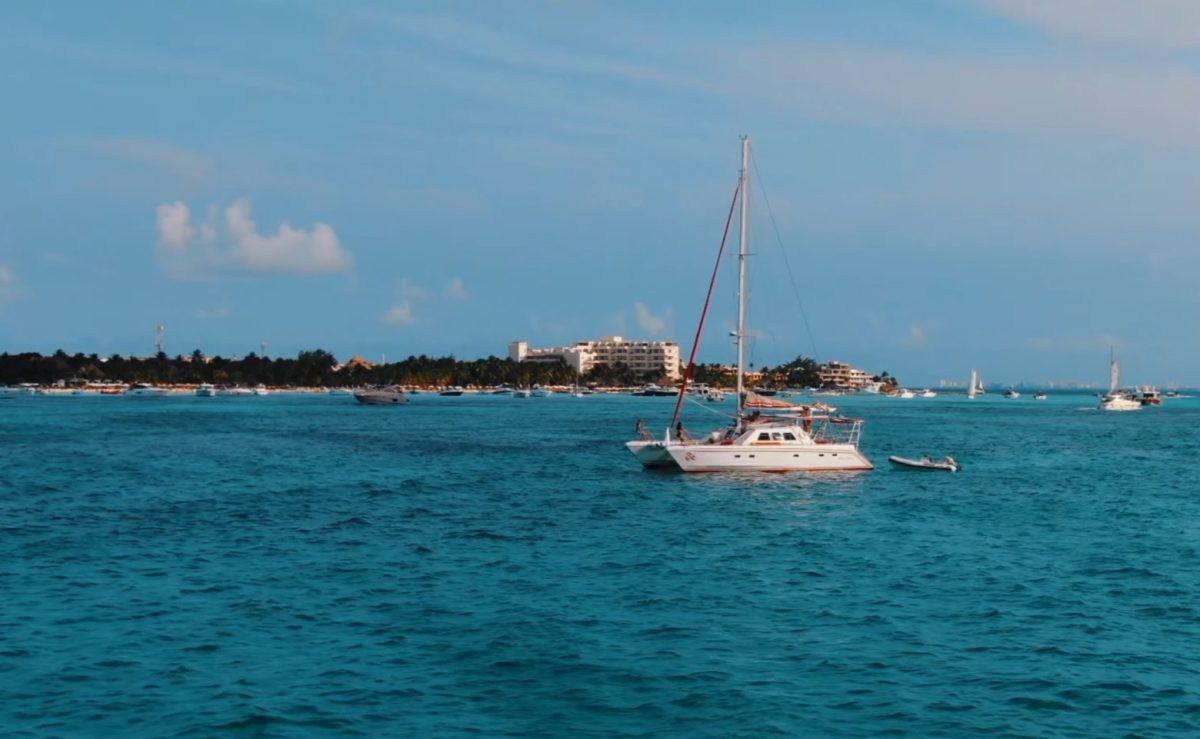
Most mainland excursions from San Pedro start painfully early. Boats leave the dock around sunrise — sometimes earlier if the weather is calm and guides want to beat the crowds crossing the channel. Travelers either take the water taxi or hop on a short domestic flight to Belize City. Small aircraft, the kind where you see the pilot moving switches in front of you. It’s quick though. Fifteen minutes and you’re already looking down at mangrove lagoons.
From there the landscape changes fast. Asphalt roads stretch inland, the jungle thickens, villages appear and disappear along the highway. Before long you’re heading toward rivers, cave systems, wildlife reserves, and Maya ruins scattered across northern and western Belize.
6:00 – 7:00 AM departures
San Pedro → Belize City → mainland tour
Full day excursion
Ruins, jungle rivers, caves
Maya Ruins Tours
Belize quietly holds some of the most impressive Maya sites in Central America. Quietly because they don’t always get the same international attention as places in Mexico or Guatemala. Which honestly makes visiting them better. Less polished, less crowded, more… raw.
One of the most common mainland excursions from Ambergris Caye goes to Lamanai. The name translates roughly to “submerged crocodile,” which feels appropriate once you reach the river. The site sits far inland along the New River Lagoon, and getting there is half the adventure. Travelers ride a boat through wetlands where crocodiles slide off muddy banks and birds explode from the mangroves when the engine passes.
You glide past small riverside villages, wooden docks, kids fishing with sticks. The jungle gets thicker the farther south you go. Eventually the trees close in so tightly along the river that sunlight flickers across the water like broken glass.
Then suddenly — stone pyramids appear above the canopy.
That first moment always feels slightly surreal. You’ve been moving through jungle for an hour and suddenly there’s a massive stepped structure rising out of it like something abandoned centuries ago. Which… well, it was.
Lamanai remained occupied longer than many Maya cities, even during the Spanish arrival period. Some temples tower above the trees, others sit partially reclaimed by roots and vines. Standing on the plazas, you realize quickly how large the settlement once was.
- Ancient Maya temples and ceremonial plazas
- Guided exploration of archaeological structures
- River wildlife sightings during boat travel
Climbing one of the pyramids — if the guide allows it — gives a strange perspective. Jungle in every direction. No highways, no cities, just a massive green ocean stretching across northern Belize.
Cave Tubing Adventures
Then there’s cave tubing. Honestly one of those activities that sounds gimmicky until you actually try it.
It begins with a hike through rainforest trails. Humid air, insects buzzing, the occasional howler monkey making that distant prehistoric roar from somewhere high in the trees. The trail leads downhill until you reach a river sliding quietly into a cave entrance carved through limestone.
That’s when the tubes appear.
Visitors climb into large inflatable inner tubes, strap on headlamps, and drift slowly into the darkness. The river current does most of the work. The cave ceiling rises above you like a cathedral carved from rock, stalactites hanging in long jagged rows. Sometimes the guides switch off their lights for a moment and everything disappears.
Total darkness. Not metaphorical darkness. Real darkness.
The kind where you can’t see your hand even when it’s right in front of your face.
Many cave systems across Belize held spiritual significance for the ancient Maya. Archaeologists have discovered ceremonial pottery, tools, and even human remains inside certain caves. For the Maya, caves represented entrances to the underworld — sacred spaces tied to rituals and mythology.
- Slow river currents suitable for beginners
- Cool underground temperatures
- Short rainforest hikes between river sections
Floating through these caverns, you start to understand why ancient cultures treated them with reverence. The acoustics alone are eerie — water dripping somewhere deep in the cave echoes for seconds.
At some points the ceiling opens briefly and sunlight spills down through cracks in the rock. Then the river bends again and you’re back in shadow.
Wildlife and Jungle Exploration
The mainland forests of Belize support an absurd amount of wildlife. Not always easy to see — the jungle hides things well — but it’s there.
Howler monkeys are usually the first animals visitors hear. Their call echoes across valleys like something out of a dinosaur documentary. Loud enough that first-time travelers sometimes assume the animals must be huge. They’re not. Medium-sized monkeys with ridiculously powerful voices.
Birdlife is everywhere too. Toucans, parrots, hawks, dozens of species moving through the canopy. Iguanas sun themselves along riverbanks. Occasionally you might see coatimundis darting through the brush or a basilisk lizard running across water like a tiny dragon.
Some tours combine archaeological visits with stops inside wildlife reserves or national parks. The ecosystems inland feel completely different from the coral environments surrounding Ambergris Caye. Cooler shade, thick vegetation, the constant background noise of insects and birds.
Why Some Visitors Explore the Mainland
Ambergris Caye offers incredible reef access, but Belize itself contains far more ecological diversity than the islands alone reveal. Jungle rivers, archaeological ruins, wildlife habitats — mainland tours expose travelers to landscapes that rarely appear in the typical beach-focused Caribbean itinerary.
Best Time of Year for Tours
Tours from Ambergris Caye run almost the entire year. Weather does influence things though. Belize has a tropical climate with two general patterns: a drier season and a wetter summer stretch where rain showers roll through the afternoons.
The dry months — usually December through May — tend to bring calmer seas and better underwater visibility. Snorkeling and diving conditions improve when winds settle and sediment stays low around the reef.
That said, some travelers actually prefer early summer trips. Warmer water, fewer crowds, occasional storms that pass quickly and leave the jungle smelling like wet earth.
| Season | Typical Conditions | Best Activities |
|---|---|---|
| Dry Season | Calmer seas, clearer visibility | Snorkeling and diving |
| Early Summer | Warm water, occasional rain | Fishing and sailing |
| Rainy Season | Higher humidity, passing storms | Shorter reef excursions |
What to Bring on Ambergris Caye Tours
The tropical climate doesn’t really negotiate. Sun hits hard, humidity sticks to everything, and sudden rain showers show up without warning. Packing a few basic items makes long excursions a lot more comfortable.
- Reef-safe sunscreen
- Lightweight breathable clothing
- Waterproof pouch or bag for electronics
- Reusable water bottle
- Comfortable walking shoes for ruins or jungle trails
Most tour companies provide gear — snorkeling equipment, tubes for cave trips, fishing tackle if you’re heading offshore. But personal stuff like sunscreen, water, and dry bags tends to matter more than people expect.
Crossing open water beyond the barrier reef can feel rough on windy days. Visitors prone to motion sickness may find it helpful to prepare in advance. The channel between Ambergris Caye and the mainland usually stays manageable, though occasionally the Caribbean reminds everyone who’s in charge.
Planning the Right Mix of Tours
There’s a strange rhythm to spending time on Ambergris Caye. At first travelers book every excursion possible. Snorkeling, fishing, diving, sunset cruises — the schedule fills quickly.
Then people realize something. The island itself deserves time too.
Walking along the streets of San Pedro in the evening. Golf carts buzzing past. Music drifting from beach bars. The lagoon turning pink at sunset. Those slower moments often become the memories people talk about later.
So spacing excursions across several days tends to work better. Reef tours early in the trip, maybe a mainland adventure later once travelers feel settled.
- Hol Chan snorkeling
- Sunset sailing cruise
- Local reef exploration
- Blue Hole expedition
- Turneffe diving trips
- Mainland Maya ruins tour
Frequently Asked Questions
Do tours operate year-round from San Pedro?
Most excursions run throughout the year, although strong weather systems occasionally affect offshore trips like Blue Hole expeditions.
Are snorkeling tours suitable for beginners?
Yes. Many sites near Ambergris Caye sit in shallow water with calm conditions, making them accessible for first-time snorkelers.
How far is the Belize Barrier Reef from San Pedro?
The reef lies extremely close to the island. Some snorkeling and diving locations can be reached within ten to twenty minutes by boat.
Is visiting mainland Belize worth it during an island trip?
For many travelers it adds a completely different dimension to the experience. Reef ecosystems, rainforest landscapes, and Maya archaeology create a mix that few destinations in the Caribbean offer.
Exploring Ambergris Caye Beyond the Beach
Ambergris Caye looks small on the map. But the network of tours leaving San Pedro reveals something bigger — a gateway to reefs stretching hundreds of kilometers, offshore atolls rising from deep Caribbean water, jungle rivers threading through ancient landscapes.
Some visitors spend their days snorkeling above coral gardens. Others dive along reef walls where sharks drift slowly in blue water. A few disappear inland for a day and return talking about pyramids, caves, monkeys screaming somewhere in the canopy.
Maybe that’s the real appeal of the island. Not just the beaches. The access. The sense that from this narrow strip of land you can step into several completely different worlds in the span of a single trip.