Great Blue Hole from San Pedro: Diving & Snorkeling Guide
The Great Blue Hole sits on that short list of places people talk about for years after seeing it. One of the most recognizable dive sites on the planet — and easily Belize’s most famous natural landmark. The enormous marine sinkhole lies roughly 70 kilometers offshore from San Pedro on Ambergris Caye, far out in open Caribbean water. Getting there means committing to a full-day boat expedition. Long ride, early start, salty hair, tired legs by evening. Worth it.
Most trips combine the Blue Hole itself with reef snorkeling, diving stops, and a visit to nearby coral islands scattered across Lighthouse Reef Atoll. It’s not just a single location you tick off a list. More like a whole day wandering through one of the most unusual marine landscapes in the Caribbean.
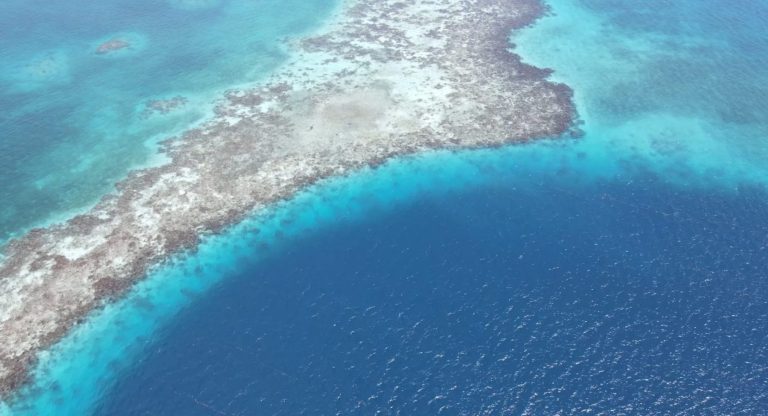
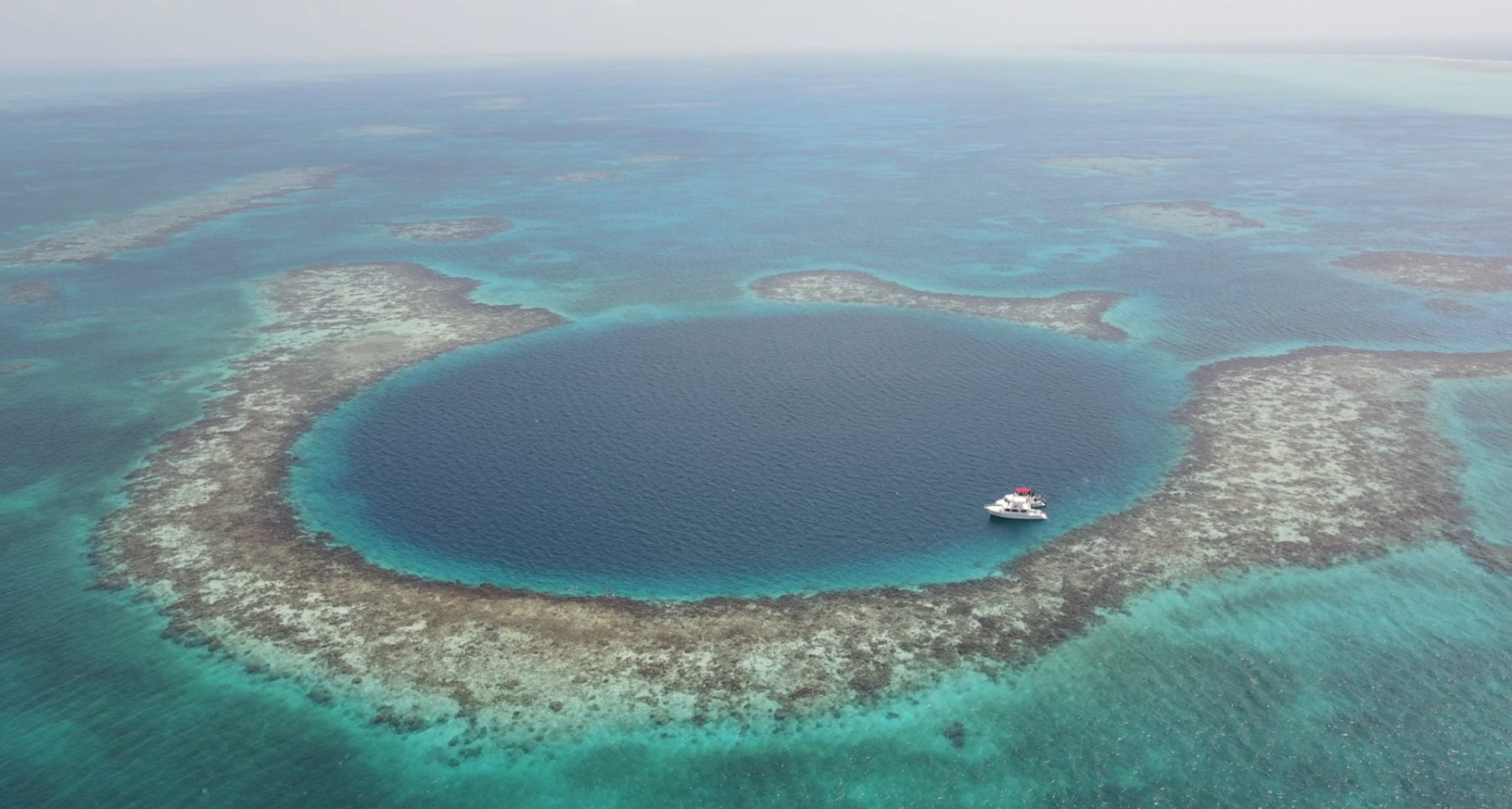
Some places feel exaggerated in photos. This one doesn’t. The Great Blue Hole almost looks fake the first time you see it. From the air it appears like someone punched a perfectly round hole straight through the turquoise Caribbean Sea — a deep navy circle surrounded by bright reef.
Approaching it by boat has a different kind of drama. The reef water stays shallow for miles, glowing pale blue, then suddenly the color drops into something darker. The bottom disappears. Just open depth beneath the boat.
The formation sits inside the Lighthouse Reef Atoll, one of Belize’s offshore coral atolls. Divers travel across the world specifically for this site. Others come simply to snorkel nearby reef walls where coral and marine life are far richer than inside the hole itself.
Visitors staying in San Pedro usually reach the Blue Hole through organized day tours run by local dive operators. Boats leave before most cafés even open. By the time you’re back in town late afternoon — sunburned, hungry, still tasting salt — the day feels strangely huge.
What Is the Great Blue Hole?
The Great Blue Hole is essentially a giant underwater sinkhole formed during the last ice age. Thousands of years ago the area wasn’t underwater at all. Sea levels were lower, and what sits there now was part of a massive limestone cave system.
Eventually the cave ceiling collapsed. Later the ocean flooded the entire area as sea levels rose, leaving behind the circular void divers see today.
The result is something that looks almost engineered — a near-perfect marine crater cut into the reef.
Approximately 318 meters
About 124 meters
Lighthouse Reef Atoll, Belize
Part of the Belize Barrier Reef UNESCO site
Today the Blue Hole forms part of the wider Belize Barrier Reef Reserve System, a protected UNESCO World Heritage marine area. The reef stretches for more than 300 kilometers along Belize’s coastline and ranks as the second-largest barrier reef system on Earth.
Ironically, the Blue Hole itself holds less coral life than many surrounding reef zones. It’s the geology that pulls people here — the cavern walls, giant stalactites deep below the surface, and the sheer scale of the sinkhole.
Divers descend along the vertical wall and eventually reach huge limestone formations hanging underwater like frozen cathedral pillars. A strange environment. Quiet. Dim blue light filtering down through the water.
Where the Blue Hole Is Located
The Great Blue Hole sits within Lighthouse Reef Atoll, one of three coral atolls located offshore from mainland Belize. The atoll lies about 70 kilometers east of Belize City and roughly the same distance southeast of Ambergris Caye.
Because of that distance, reaching the site always involves a long boat ride across open ocean. There’s no quick visit, no casual afternoon trip. Anyone heading out there commits to a full day on the water.
Most tours depart either from San Pedro or from Caye Caulker, a smaller island closer to the mainland. San Pedro tends to dominate the dive scene simply because of the number of professional dive operators based there.
Ambergris Caye sits right next to the Belize Barrier Reef, which makes it one of the easiest launch points for marine tours across the region. Boats leave directly from the harbor and head east across the lagoon before exiting through a break in the reef.
The Blue Hole is often mistaken as part of the barrier reef itself. It isn’t. The sinkhole sits within Lighthouse Reef Atoll — a circular reef system separated from the mainland reef by deep Caribbean water.
- Distance from San Pedro: about 70 km
- Boat travel time: roughly 2.5–3 hours
- Accessible only by organized boat tours
How to Visit the Blue Hole from San Pedro
Most visitors reach the Great Blue Hole by joining a guided marine tour from San Pedro. Because the journey is long, trips begin early — sometimes just after sunrise when the sea tends to behave a little better.
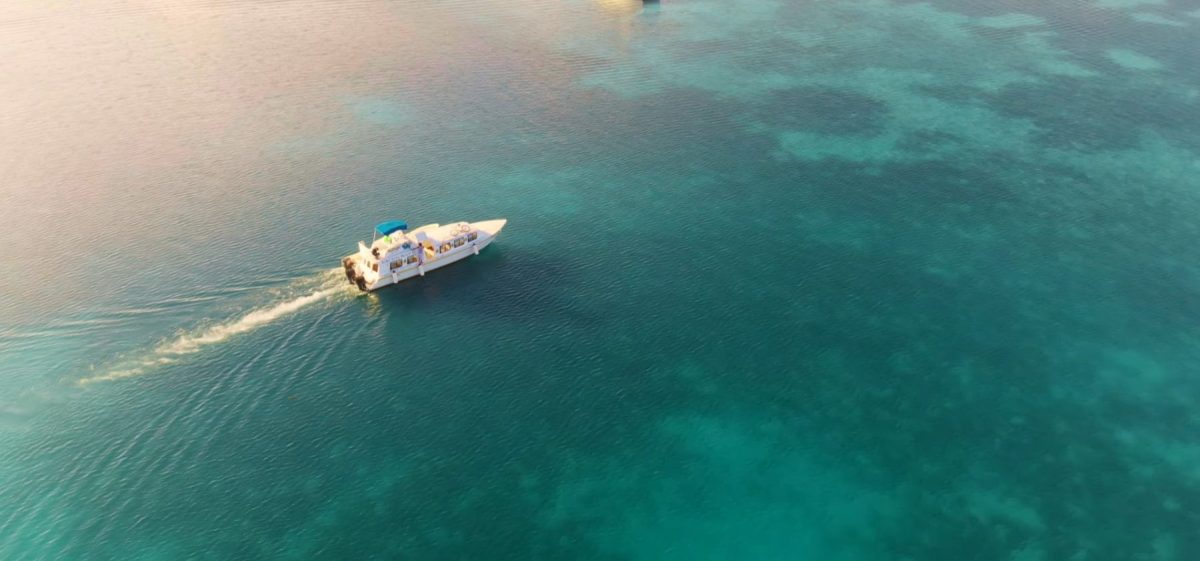
The ride out is half the adventure. Boats first cross the calm lagoon inside the reef system before slipping through a narrow reef pass and entering open Caribbean water.
You notice the difference instantly. The water darkens. Waves stretch longer. The horizon opens.
Flying fish sometimes scatter across the surface. Seabirds circle. Occasionally dolphins show up for a few minutes and vanish again. Out there the boat feels small… not in a bad way, just noticeable.
After two or three hours, the pale ring of Lighthouse Reef Atoll slowly appears on the horizon. Coral shallows glow turquoise again as the boat crosses onto the reef platform.
Then the Blue Hole comes into view — a dark circle carved straight into bright reef water. Even from the surface it looks unreal.
Typical Blue Hole Tour Itinerary
Most tours don’t visit the Blue Hole alone. Operators usually combine several locations across Lighthouse Reef Atoll so travelers can experience different reef environments during the same trip.
| Stop | Activity | Description |
|---|---|---|
| Great Blue Hole | Diving or snorkeling | The famous sinkhole itself — deep water, dramatic reef walls |
| Half Moon Caye | Island visit | Protected nature reserve known for white beaches and nesting seabirds |
| Long Caye Reef | Snorkeling or diving | Colorful coral reef with strong fish populations |
The full excursion usually lasts between 10 and 12 hours from departure to return. Boats arrive back in San Pedro late afternoon, sometimes closer to sunset depending on sea conditions.
It’s a long day on the water. Sun, salt, wind, the slow hum of engines. By the time the town docks come back into view most people are tired and grinning in that slightly dazed way people get after spending the entire day at sea.
Diving the Great Blue Hole
For divers who already have some experience under their belts, the Great Blue Hole is… strange. Not bad-strange. Just different from the usual Caribbean dives people imagine. You don’t drop into a rainbow coral garden packed with fish flashing everywhere. The place is famous for something older and quieter — geology. Big stone architecture underwater. Limestone that formed back when this whole area was dry land and the ocean was nowhere near it.
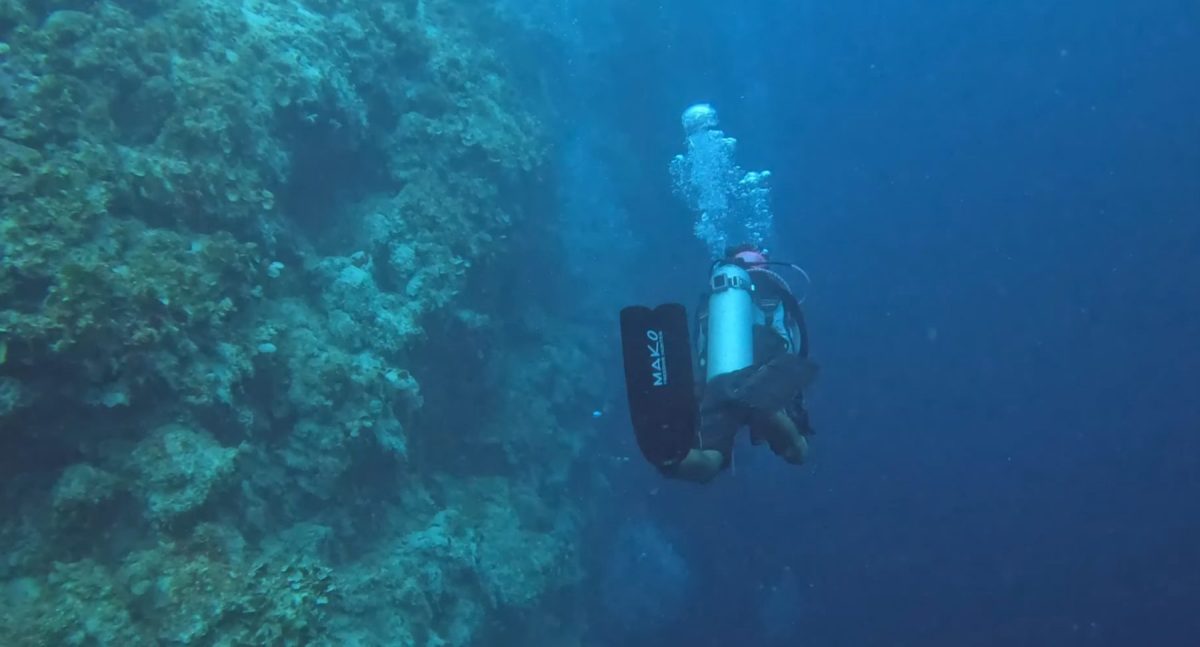
Most dives start along the rim of the sinkhole where the surrounding reef suddenly falls away into a huge circular void. The wall slides down into darkness. Divers follow that slope for a bit, descending steadily until the first massive stalactites appear out of the blue haze. They look unreal at first glance. Like someone hung giant stone teeth from the ceiling of the ocean.
30–40 meters (100–130 ft)
Often 20–30 meters
Giant limestone stalactites
Advanced Open Water recommended
Around 27–30 meters down the formations really come into view. Some of those stalactites stretch more than ten meters long. Huge. Heavy looking. Frozen stone dripping toward the seabed. They formed thousands of years ago when this place was a dry cave system — before rising sea levels flooded the chamber and turned it into what it is now.
The atmosphere changes fast as you descend. Sunlight weakens. Colors drain away until everything shifts into shades of deep blue and grey. The reef noise fades too. It feels quieter than a typical dive. Almost cavern-like even though you’re still technically outside.
Because of the depth, most dive operators ask for an Advanced Open Water certification or similar experience. Descents are fairly quick, and bottom time stays short thanks to nitrogen limits. You drop down, explore the formations, then gradually move back toward shallower water. It’s not a long dive — but it sticks in your head afterward.
The Blue Hole gets famous for its geological formations, not for dense marine life. Some divers arrive expecting bright coral walls and swarms of fish and end up surprised by how sparse the interior feels. The reef sites visited during the same trip usually contain far more marine activity.
Snorkeling Around the Blue Hole
Divers head into the sinkhole itself. Snorkelers… well, they stay where the reef actually lives. Many tours departing from San Pedro still bring snorkelers along for the ride, but the snorkeling happens around the outer reef zones of Lighthouse Reef Atoll rather than inside the deep center.
And honestly? Those surrounding reefs can be spectacular. Coral structures spread across the shallows, fish everywhere, water clarity that sometimes feels ridiculous. Visibility can stretch far enough that you suddenly notice shadows moving way below you — rays, sharks cruising the deeper edges, things like that.
In a funny way, snorkelers sometimes get the more colorful experience compared with divers exploring the sinkhole itself. Coral gardens, dense schools of reef fish, shifting sunlight patterns over the reef… it’s lively water.
- Parrotfish and angelfish weaving through coral heads
- Caribbean reef sharks gliding along the deeper drop-offs
- Large schools of snapper and grouper
- Occasional eagle rays or sea turtles
Even without dive certification, these reef areas still let travelers experience a large part of the ecosystem surrounding the Belize Barrier Reef. Which, to be fair, is the real star of the region.
Half Moon Caye: The Island Stop
Most Blue Hole excursions from San Pedro include a stop at Half Moon Caye, a small island sitting inside Lighthouse Reef Atoll. After hours on open water the island feels almost surreal when you first step off the boat — white sand, palms bending in the breeze, water that looks painted.
The island itself sits inside a protected reserve. Walking trails cut through low coastal forest toward observation platforms where visitors can watch nesting seabirds. The red-footed booby colony is the big attraction. They perch everywhere in the trees, wings flashing red and brown when they take off.
Half Moon Caye forms part of one of Belize’s oldest marine reserves. The island protects seabird nesting grounds and helps preserve marine ecosystems throughout Lighthouse Reef Atoll.
- White sand beaches
- Shallow turquoise lagoons
- Observation tower for bird watching
For many visitors this island stop ends up being the moment they remember most. After hours of boat engines and salt spray, walking barefoot across warm sand under palm trees feels ridiculously good.
Lunch often happens here too. Simple meals, picnic style. Divers swapping stories. Someone inevitably still half-dazed from the depth of the Blue Hole dive. Sun everywhere.
Marine Life Around Lighthouse Reef
Inside the Blue Hole itself coral growth stays limited. The surrounding reef systems though — that’s where biodiversity explodes. Lighthouse Reef Atoll supports one of the healthier reef environments in Belize, partly because the area remains relatively remote.
Divers drifting along nearby reef walls regularly run into large schools of tropical fish, coral formations stacked in layers, and the occasional larger animal passing through deeper blue water. Sometimes it’s quiet. Sometimes a whole wall of snapper suddenly appears out of nowhere.
| Marine Species | Where Seen | Likelihood |
|---|---|---|
| Caribbean Reef Sharks | Outer reef slopes | Moderate |
| Groupers & Snappers | Coral reef areas | High |
| Sea Turtles | Reef flats & lagoons | Occasional |
| Eagle Rays | Open water | Occasional |
Because of this, many divers end up falling in love with the wider Lighthouse Reef area itself. Some even come back to Belize later just to explore more reef walls and channels instead of repeating the Blue Hole dive again.
Is the Blue Hole Worth Visiting?
People argue about this one constantly. Some divers call it essential. Others shrug and say the surrounding reefs are better. Both reactions make sense depending on what someone expects before arriving.
If you’re fascinated by geology, underwater caverns, strange formations carved by time… the Blue Hole absolutely delivers. Descending beside those ancient stalactites feels surreal in a way normal reef dives simply don’t.
But travelers hoping for bright coral landscapes and nonstop marine life sometimes walk away thinking the nearby reefs were the highlight instead. Places around Ambergris Caye — including Hol Chan Marine Reserve — often show far denser biodiversity.
Still. The full experience matters. The long boat ride across open Caribbean water. The moment the perfectly round sinkhole appears in the distance. Diving, snorkeling, walking a remote island afterward.
It feels less like a single dive site and more like a small expedition. A weird geological landmark in the middle of the sea that people cross half the Caribbean to see. And yeah… for many travelers visiting Belize, checking that off the list feels pretty damn satisfying.
How Much Does a Blue Hole Tour Cost?
Getting out to the Great Blue Hole isn’t cheap. No way around that. The site sits far offshore at Lighthouse Reef Atoll, and boats leaving San Pedro have to cross open water for hours before the famous circle even appears on the horizon. Fuel alone costs a small fortune, and dive operators usually bring several crew members, instructors, tanks, food — the whole floating expedition setup.
Prices drift a little depending on the company, group size, and whether you’re diving or just snorkeling around the reef nearby. Still, after talking to a few operators and watching what people actually pay, the numbers fall into a fairly stable range.
| Tour Type | Typical Price | Includes |
|---|---|---|
| Blue Hole Dive Trip | $300 – $375 | Dive guide, tanks, weights, lunch, reef dives |
| Snorkeling Tour | $200 – $250 | Boat trip, snorkeling stops, lunch |
| Private Dive Charter | $1500+ | Private boat, customized itinerary |
There’s also the small matter of marine park fees. Parts of the Belize Barrier Reef fall inside protected zones, so visitors may pay a conservation entrance fee on top of the tour price. Nothing outrageous — but it goes toward reef protection, patrol boats, coral monitoring, all the stuff that quietly keeps the ecosystem alive.
Best Time to Visit the Blue Hole
Technically you can visit the Great Blue Hole any month of the year. Boats go out whenever the sea allows it. Still… ocean conditions matter more than people expect. The trip from Ambergris Caye is long, and when the Caribbean gets restless, that crossing can feel twice as long.
Most divers quietly agree the dry months offer the best odds. Calmer water, clearer visibility, fewer surprise squalls rolling across the reef.
December – June
March – May
June – October
26–29°C (79–84°F)
During the drier stretch of the year, trade winds tend to relax a little. The sea flattens out just enough that the boat ride becomes… not exactly smooth, but manageable. Divers care about visibility too, and on good days the water clarity around Lighthouse Reef gets absurdly good.
The rainy season doesn’t mean constant storms — that’s a myth — but tropical weather becomes unpredictable. Some mornings look perfect and then, halfway through the trip, wind builds out of nowhere. When that happens operators simply cancel departures. Safety beats stubbornness out here.
If the Blue Hole is high on your Belize wish list, aim for the dry season between December and May. Seas are usually calmer, and the long run from San Pedro feels a lot less like a small maritime endurance test.
- Book tours several days ahead during peak travel periods
- Weather sometimes reshuffles departure schedules
- Early morning departures usually get the calmest water
What to Bring on a Blue Hole Tour
Blue Hole trips run most of the day. You leave early, the sun climbs fast, and suddenly you’ve been sitting on a boat for hours with salt drying on your skin. Operators provide the essentials — dive gear, lunch, drinks — but comfort is your responsibility.
- Swimsuit and towel
- Reef-safe sunscreen
- Sunglasses and hat
- Light jacket or windbreaker
- Waterproof bag for electronics
- Motion sickness medication if needed
And yeah, seasickness is real. Even when the ocean looks calm from shore, open water behaves differently. Some people feel nothing. Others spend the ride staring very seriously at the horizon pretending everything is fine. Taking motion medication beforehand saves a lot of regret.
The Reality of the Journey
Something many travelers underestimate — the distance. The Blue Hole sits far from the mainland reef, and getting there from San Pedro takes hours. Round trip, you’re easily looking at five or six hours on the water. Sometimes more.
Still, the boat ride has its own strange rhythm. The reef fades behind you, the water shifts from pale turquoise to deep cobalt, and suddenly there’s nothing but open sea in every direction. It feels remote in a way that’s rare in the Caribbean.
Flying fish skitter across the surface like little silver arrows. Frigatebirds circle overhead, scanning for movement below. Every once in a while dolphins show up beside the boat — not performing, not posing for photos, just curious for a minute before slipping back into the blue.
The Blue Hole is incredible, but it’s also a long offshore expedition. Early departure, several hours at sea, full day commitment. Anyone expecting a quick snorkel trip from the beach will be… surprised.
Interesting Facts About the Great Blue Hole
Scientists, divers, photographers — everyone seems fascinated by this giant marine sinkhole. Its near-perfect circular shape almost looks artificial from the air. But it’s entirely natural, carved by geological processes that unfolded thousands of years ago.
| Fact | Detail |
|---|---|
| Jacques Cousteau | Declared it one of the world’s top dive sites in 1971 |
| Geological Origin | Ancient limestone cave formed during the last ice age |
| World Heritage Site | Part of the Belize Barrier Reef UNESCO reserve |
| Visibility from Space | The circular sinkhole appears clearly in satellite imagery |
Those details helped turn the Blue Hole into one of the most recognizable dive locations anywhere in the ocean. Even people who’ve never set foot in Belize have seen aerial photos of that dark blue circle in the middle of the reef.
Frequently Asked Questions
Can beginners dive the Blue Hole?
Most dive operators prefer divers to hold an Advanced Open Water certification. The dive descends deep into the sinkhole where conditions become more technical than a normal reef dive.
Is snorkeling inside the Blue Hole possible?
Snorkeling usually happens around the outer reef. The center of the sinkhole drops more than 120 meters and doesn’t offer much to see from the surface.
How long does the trip from San Pedro take?
Boat travel typically takes about 2.5–3 hours each way depending on sea conditions.
Is the Blue Hole worth visiting?
For divers chasing famous sites, absolutely. It’s one of those legendary dives people talk about for years. Snorkelers often enjoy the surrounding coral reefs even more — bright fish, healthy coral, shallow water full of life.
Exploring Belize’s Most Famous Marine Landmark
The Great Blue Hole remains one of Belize’s most recognizable natural wonders. Getting there from San Pedro takes effort — time, planning, a long boat ride — but that isolation is part of the appeal.
Divers descend through the huge limestone cavern and suddenly the world feels quiet and ancient. Stalactites hang frozen in the darkness, reminders that the formation began as a dry cave system long before the ocean flooded it.
Above the sinkhole, life returns in color. Coral gardens, reef fish, the bright chaos of the Belize Barrier Reef. Some travelers come for the legendary dive. Others come simply to stand on the boat and look down into that strange perfect circle of deep blue water. Honestly… either reason works.